Do you need a sewer inspection when buying a house?
A sewer scope before purchase is worth considering when the condition or route of the buried house sewer could change your decision about the property. Ask what the inspector can access, what recording you will receive and how it will identify any part it cannot examine. A general home inspection may describe visible drains while leaving the buried run outside its agreement. The 2026 This Old House guide lists $100–$500 nationally for a camera inspection. Ask for the local fee and what it covers when you request a quote.
If the seller already has a video, start with that record before paying for another visit. If it shows damage at a known location, you can request a repair estimate with the seller's permission for access. The price of a camera inspection and the cost of repairing a pipe are separate questions. The repair cost guide explains the published national benchmarks for replacement work.
Confirm which system serves the house
Public connection or onsite disposal?
Ask the seller for a wastewater bill, connection record or other property-specific evidence. A listing that mentions city water does not by itself establish public sewer service. A property that relies on an onsite septic system needs an assessment suited to that system. A camera looking at one drain pipe cannot by itself assess a tank, absorption area or other septic components.
Check the address on the record against the house and any outbuildings. An older house and a recently converted garage might have separate drainage arrangements. Tell the inspector which buildings are included in the sale and ask which outlets it can examine. Put the limitation in writing if it can inspect only one of them during the visit.
Read your inspection agreement
Who commissions the scope?
Ask whether the general inspector conducts this inspection, arranges a specialist or expects you to hire one separately. Find out the fee for the initial visit and what happens if there is no usable access. Keep the appointment information and the expected report date alongside your transaction deadline. A video that arrives after a decision date may have limited value in the negotiation.
Confirm who may receive the report. You may wish to share it with a bidding contractor or your own adviser. Ask whether you can download the complete recording and whether a link will expire. A handful of clips in a portal can be difficult to compare with a new recording years after closing.
Ask the seller about access
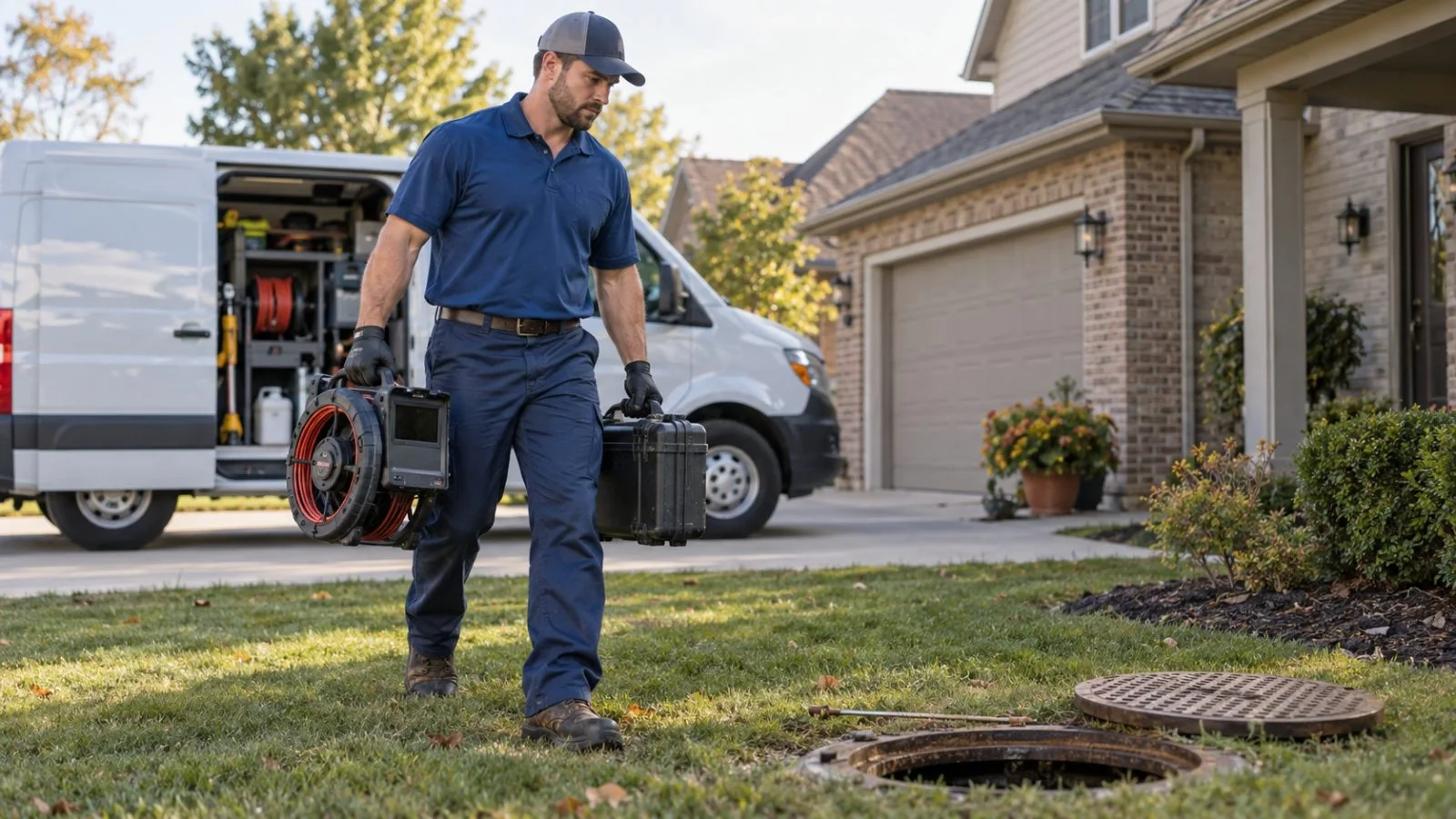
Locate the cleanout together
Ask for a description or photograph of the access fitting, plus any record of prior cleaning or replacement. A basement cleanout behind storage needs different appointment arrangements from one beside the front walk. If a tenant occupies the house, coordinate permission for entry with the seller. The buyer's interest in a report does not authorize changes to someone else's property.
If the inspector proposes another method of access, establish what it involves and who can approve it. Discuss the price, who puts the property back in its original condition and whether the visit needs to move. An inspection agreement that assumes an accessible cleanout may not cover opening a wall or altering a fixture.
Set the deliverables before the appointment
| Request | Why it matters to the buyer | How to check it |
|---|---|---|
| Address, date and entry point | Connects the video to the property under contract | Compare the location to the seller's sketch |
| Direction and end of the run | Shows which portion of pipe was examined | Ask what identifies the final frame |
| Located findings | Allows a repair bidder to price the right access | Match footage readings to photos and surface marks |
| Limitations and next step | Separates a known defect from further investigation | Request a written explanation of each unseen section |
Read the important frames first
Where did the camera enter and stop?
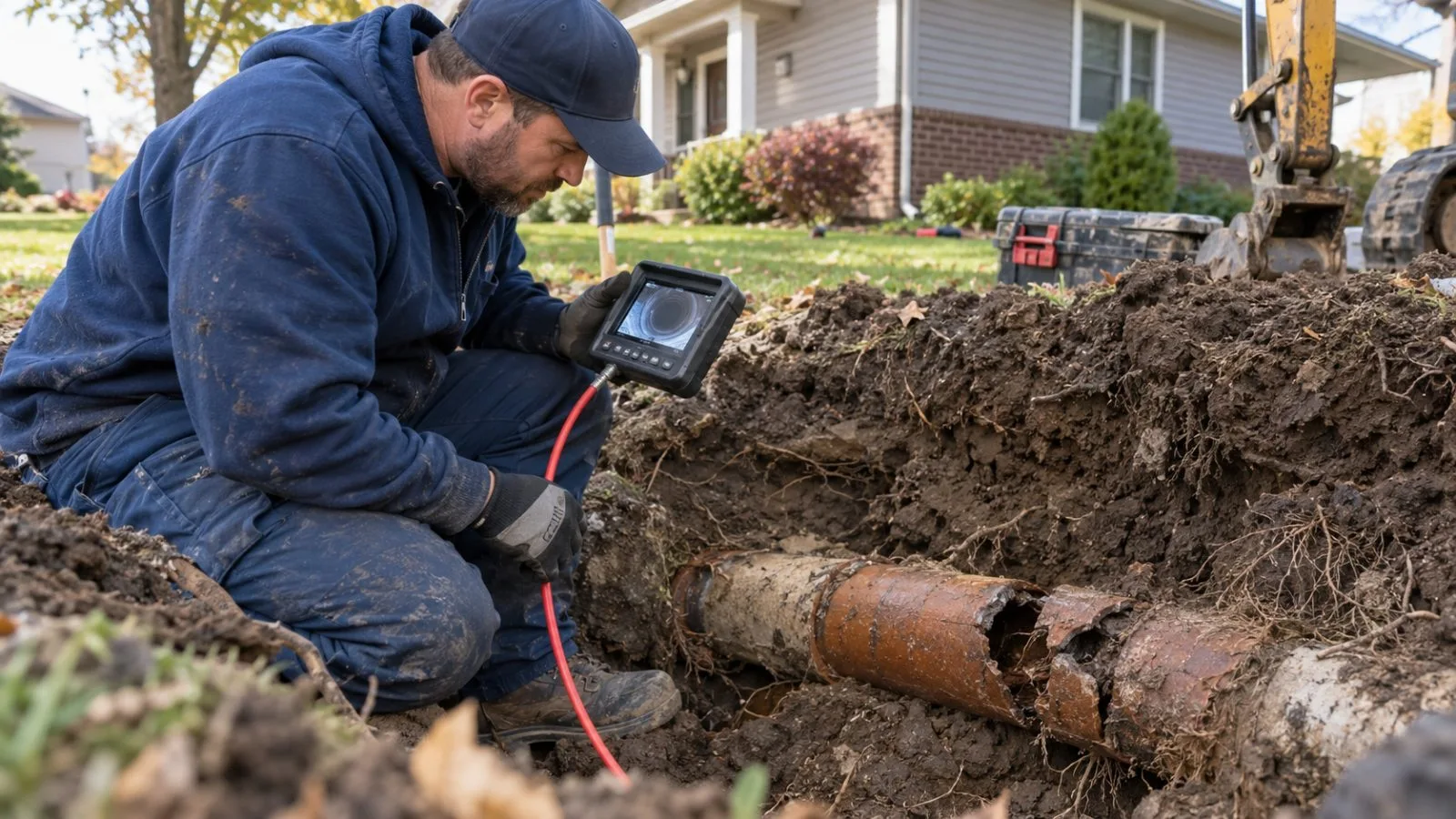
Watch the beginning and end before focusing on a close-up of roots or a damaged joint. The opening gives the recording a physical reference. The endpoint tells you how much of the private line the camera actually covered. Ask the inspector what identifies the public connection if the report says it reached one. If the camera stopped earlier, note the reason and the unseen distance if known.
A change from one pipe material to another can be evidence of a past repair. It tells you where visible material changes, not necessarily why the work was done or when. Compare that point with invoices or permit records the seller can supply. If a bid proposes replacing newer material too, ask the contractor what current finding supports it.
Decide whether an old video is enough
Test the old record against today's question
A dated, complete recording that clearly identifies this house can answer useful questions about the route. It might show a repaired joint, the location of a cleanout or how the line crosses the yard. Check what has changed since then. An addition, a settling driveway or repeated cleaning after the recorded date could justify looking again at a particular section.
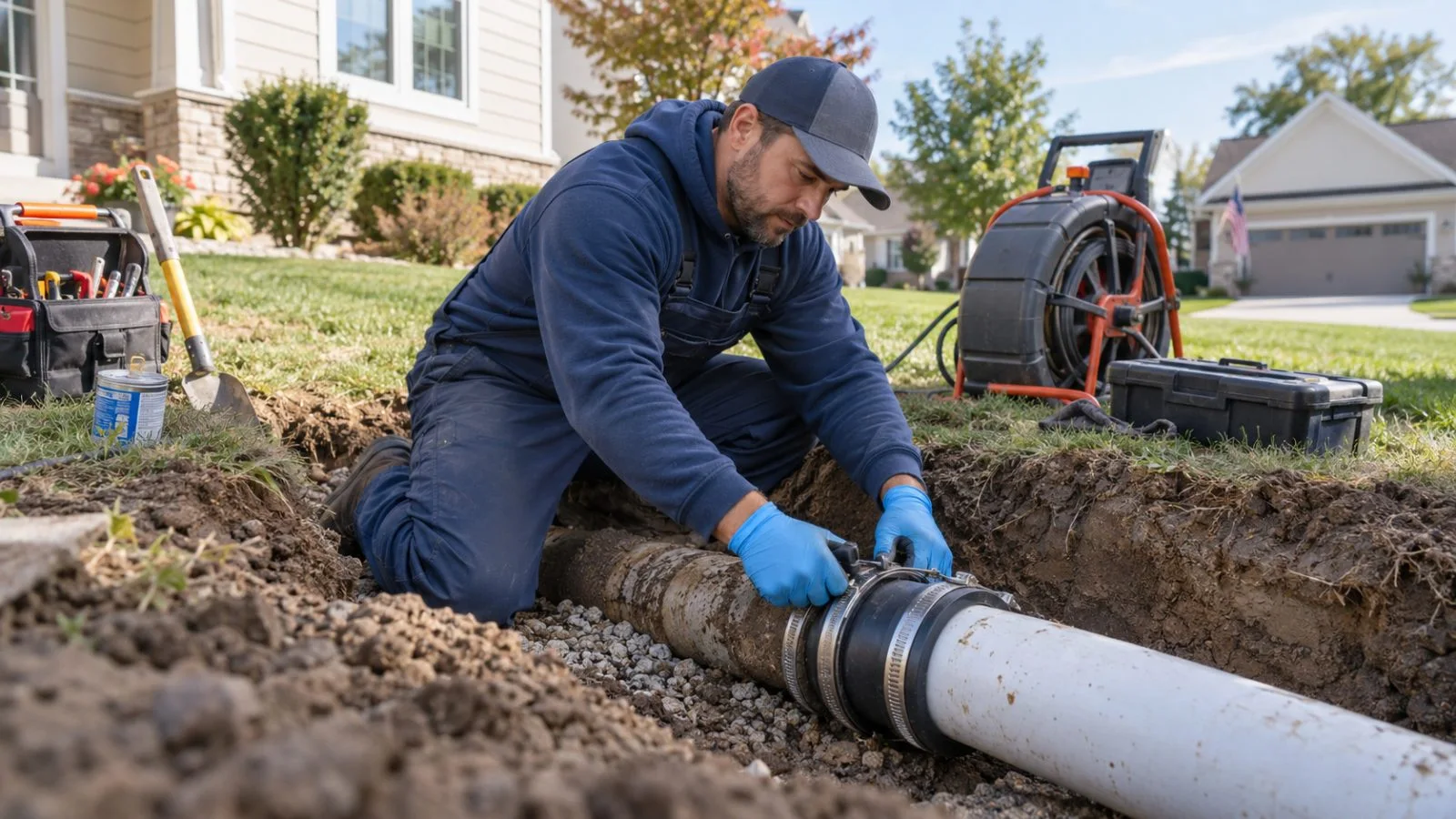
If a seller says the line was replaced, ask which part. The invoice might cover a short section at the foundation while the remainder under the driveway stayed in service. Mark the endpoints from the invoice on a sketch. A new inspection can then concentrate on the remaining pipe and the transition between materials.
Get estimates that describe the same property
Send bidders the same inspection packet
Give each bidder the recording, dated findings, access restrictions and any seller instructions about site visits. A price based on a mark in an open lawn and a price based on excavation across a shared driveway describe different work. Ask both contractors where they expect to work, which finished surfaces they include and what they would need to verify before issuing a firm proposal.
Discuss inspection findings separately from the terms of the transaction. A plumber can describe the condition of the pipe and price a defined repair. Your own adviser can help with the deadlines, permissions and contract terms that affect a buyer's request. Keep any proposed seller credit or amendment separate from the contractor's description so neither document appears to promise work it does not cover.
Verify local connection information
Start with the operator on the bill
Fort Wayne City Utilities publishes information on private service pipes connecting to its system. If a potential repair reaches the connection, ask the utility how its rules apply at this address. A postal address in Fort Wayne does not prove which agency operates the sewer. Read the sewer system guide and the utility rules with the property-specific drawing in hand.
For a nearby municipality, look for the wastewater charge rather than assuming the drinking water provider also handles the sewer. If the seller mentions a protection plan, request the actual terms and ask the administrator what happens on sale. Fort Wayne's service line protection information is a starting point for eligible properties. Verify enrollment and effective dates with the administrator before counting on any benefit.
Handle an incomplete inspection
Name the unanswered question
A report can establish that the first portion of pipe is visible and that a later obstruction prevented inspection beyond a known point. Ask whether the next useful step is authorized cleaning, another existing access, a surface locate or a revised written limitation. Estimate the cost of that next step separately from any permanent repair that may turn out to be necessary.
Take an example in which the camera stops before the driveway. A bidder may be able to price investigating the stop in the grass. It cannot use that clip alone to describe the condition beneath the pavement. Ask what evidence would justify extending work under the drive and who would have to authorize it while the seller still owns the house.
Build a one-page decision sheet
Divide a sheet into three columns headed known, unknown and next decision. A video showing one displaced joint at a located point belongs in the first column. The condition beyond a camera stop belongs in the second. Permission for another pass, a bidder visit or an adjusted decision date belongs in the third. Put a person's name beside each action. That small step matters when the agent, owner, inspector and bidder are expecting someone else to make arrangements.
Add the date by which you need the information. If the seller will provide an older invoice tomorrow, save the current drawing and compare both sets of endpoints before ordering further work. If the recording is unavailable, ask the contractor whether its written observations are sufficient for a preliminary price. Mark the price as preliminary in your own budget and keep the unresolved access or material assumptions visible to everyone who uses it.
Keep a usable record after closing
Download the video, photographs and reports before the transaction portal closes. Save them with any seller-work invoices and the contact information for the person who performed the inspection. Write down where the cleanout lies, whether a second branch was excluded and what would warrant a follow-up. These details cost nothing to retain and make future inspections easier to compare.
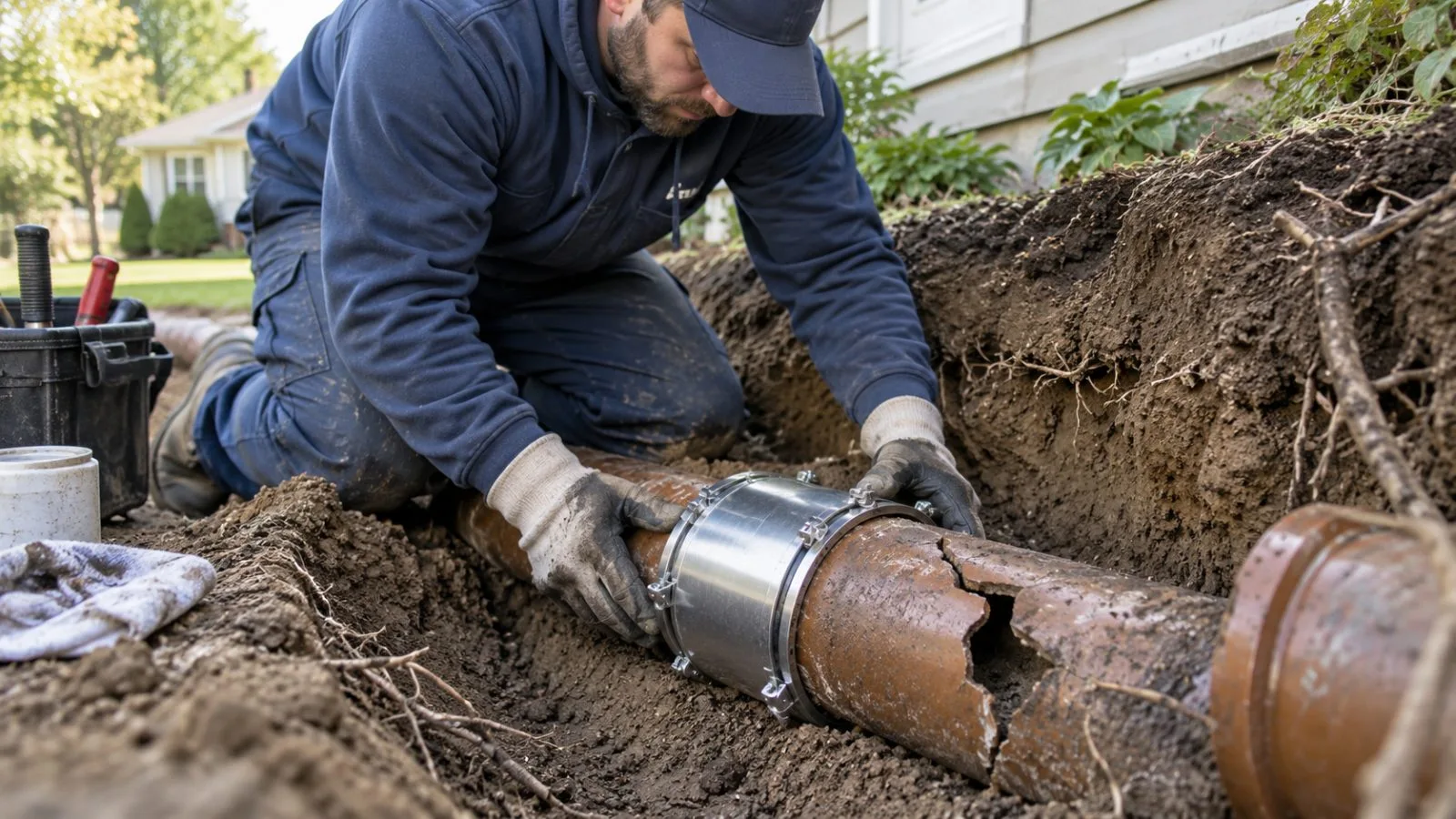
When work is completed before closing, request a completion record specific to the defect you saw. Look for the repaired location, the date and any separate pavement or landscaping work still outstanding. A general paid invoice may establish that a contractor visited. The matching scope and final record are what tell the next owner which section of sewer was actually repaired.
Frequently asked questions
Does a general home inspection include a sewer scope?
Check the inspection agreement. Ask whether the inspector will run a camera through the private sewer and deliver a recording with its start and end points.
Can the seller's old video answer my questions?
It can help if it identifies this property, the inspection date, entry point and limits. Ask what has changed since the inspection, including additions or repairs.
What if there is no accessible cleanout before closing?
Ask the inspector to document the limitation and possible access options. Get the seller's permission before anyone alters the property.
Is the seller required to pay for a finding?
A camera report describes the pipe. Your purchase agreement, deadlines and negotiations determine what you can request. Discuss those points with your own transaction adviser.